

Table of Contents
What are “Quietcations”?
For a long time, people used to travel because they did not want to miss out. This idea was called “FOMO.” Many travellers went to the same popular places. A lot of them tried to do everything in one day. They shared what they did on social media. In the end, travel began to feel like work, not like time off.
In 2026, life is not the same as it was before. Now, there is a new trend called the “quietcation.” People want trips where they do not feel busy or overwhelmed. They care less about seeing many things. Most of us just want to get away from too much noise and busy places. A lot of people feel happier when they miss out on things. This is called JOMO, the Joy of Missing Out. For many, having some quiet and stillness feels like a real luxury in their life.
What is “Hushpitality”?
The travel industry is bringing the idea of Hushpitality. This is not just about giving you a quiet room. It is when hotels make places that help lower noise. These spaces also help people feel less mental stress.
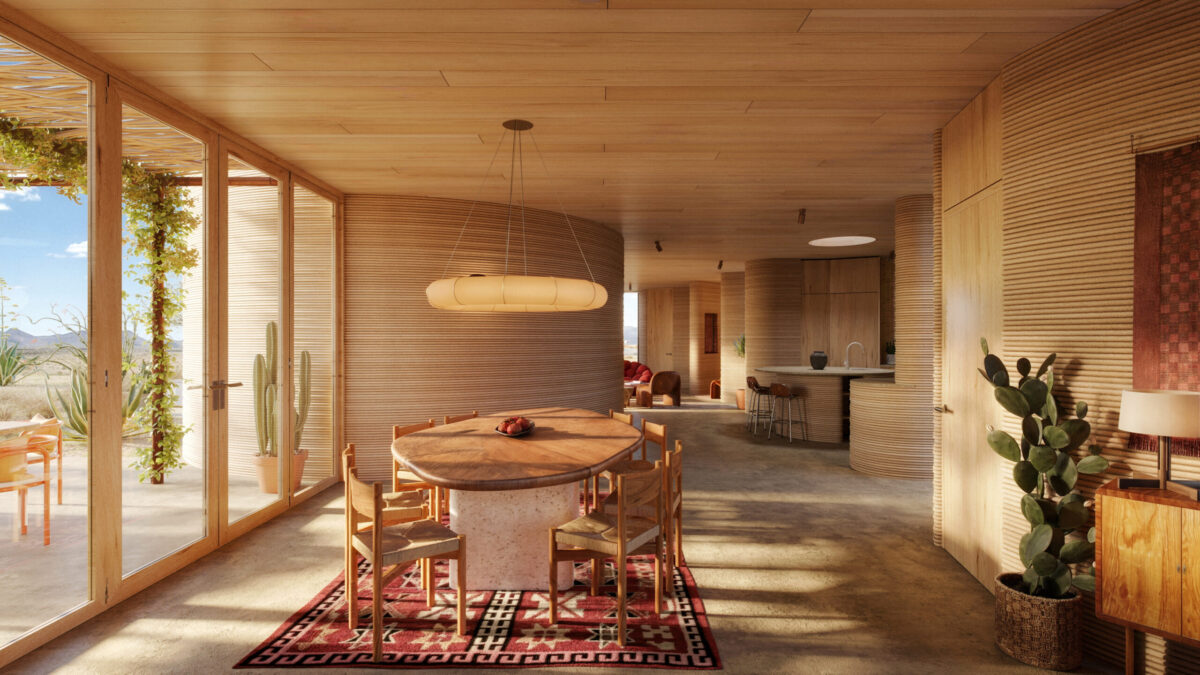
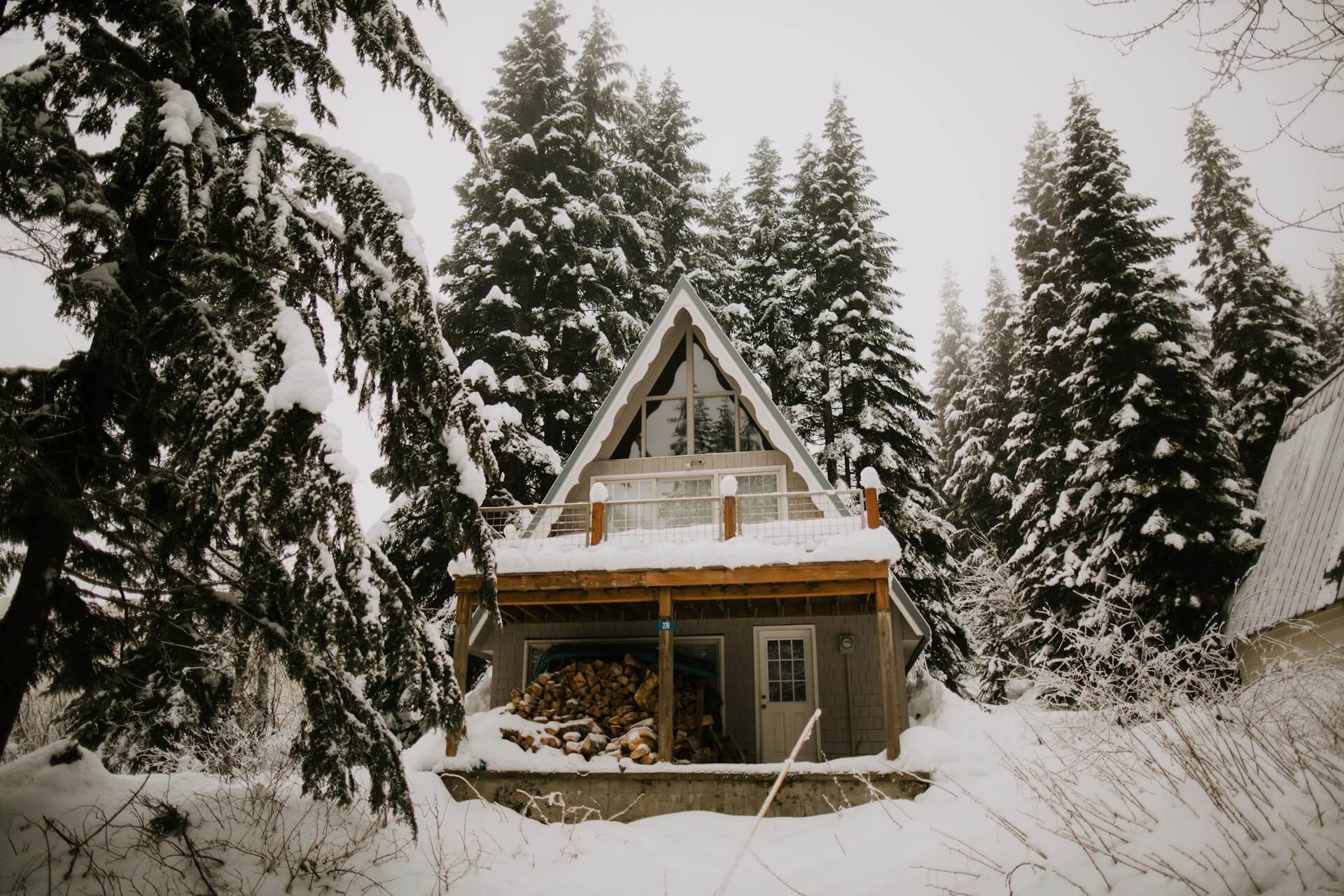
- Space and Design: Resorts now move away from big hotels that have long hallways. They be building places with more space between rooms and give you simple amenities. You may stay in tiny cabins or in glass villas set deep in the woods. With these designs, you do not see or hear other guests much. The travel experiences feel calm and quiet because of this.
- Silent Service: The staff at these places gets trained to help you without making noise. They do things when you want, but they do not bother your peace. Some resorts even offer “silent breakfasts,” where people say very little. This makes travel experiences feel restful right from the morning.
- Sleep Tourism: A lot of people go places to get better sleep. Now, hotels put in top soundproofing and use special lights to help the body rest. These amenities help keep your sleep on track, so you get the most from your trip.
The Digital Detox: Blocking the Noise
Many resorts want people to try a real digital detox. They use new ideas to keep tech away. This helps you stay off your phone and feel calm. People call this a “hard” digital detox.
- Signal-Shielding: Some of the best “quiet” hotels use paint or wallpaper that blocks Wi-Fi and phone signals in the rooms. This makes what is known as a “Faraday cage” effect. Because of this, you cannot check emails unless you go to the “tech zone” set up by the hotel.
- Smart Lockboxes: When you first get to the hotel, you may be told to put your phone in a box that locks until a certain time. These lockboxes open at only certain times each day, or when your stay is over.
- Analog Perks: To help people spend time without screens, these rooms offer other types of activities. You may find a record player for vinyl, a typewriter, or nice paper to write in with journals.
Quietcations for Solo Travelers: Safe and Social
Traveling alone is part of what makes a quietcation special. You do not need to feel lonely when you go by yourself. You also do not have to worry about safety during the trip.
- “Shared Silence” Retreats: A lot of people who travel alone want to visit places where talking is not allowed, but you can still be around others. A “shared silence” retreat can be a library or a shared garden. You can sit near people, but the rule is to stay quiet. People feel safe being with others, and also feel at peace because they do not have to chat.
- Safe Havens for Solo Explorers: Feeling safe is important during a quietcation. A lot of quietcation resorts in 2026 offer the following:
- Check-in Apps: These apps let you show hotel staff where you are with just one tap before you go for a walk or a hike alone.
- Solo-Only Floors: Some hotels have floors that are only for people who travel alone. This makes these areas feel more calm and quiet.
- Gated Nature Reserves: There are private parks only for people who stay at the resort. A solo visitor can feel safe here and not worry about cars or someone they do not know.
Who Should Consider a Quietcation?
You do not have to be shy or spend time alone to like this trend. A quietcation may be right for you if:
- You have “Decision Fatigue”: When you have to choose a lot at work, it gets too much. A trip where you can just relax and be you helps bring your mind back to normal.
- You are a Caregiver: If you are a parent or you spend time caring for others, you feel tired. A spot where no one needs you is good for recharge and helps you feel like yourself again.
- You are a Creative: If you write, do art, or make plans, you know it’s hard to find real focus in the city. A short trip can give you quiet time to think and work without all the noise.
- You feel “Tech-Burned”: If you look at your phone all the time without thinking, screen time can wear you down. A digital detox or detox can help you stop doing this and recharge so you feel good again.
How to Book: Process and Guidance
Finding the best place is not like booking your usual beach trip. You need to follow a different way for this.
- Use “Quiet” Keywords: When you look for hotels on booking websites, use filters with words like “Adults-only,” “Remote,” “Off-grid,” “Soundproofed,” or “Monastery-style.” These words help you get the place you need.
- Check the Location: Open a satellite map to see the hotel’s spot. A “quiet” hotel can be near a busy road or an airport, so check where it is. A truly quiet one is, most times, five to ten miles away from big streets.
- Look at “Noise Reviews”: Read what others say about noise at a hotel. Solo travelers often talk about thin walls or if the bar gets loud at night. This helps you know what to expect.
- Book the “Buffer”: If you pick a house or a cabin far away, ask the host about a “shuttle service.” A pro driver can get you there with no trouble. It is much better and helps you feel calm as you get to the quiet place.

Primary Quietcation Destinations & Pricing
Greenland
Greenland is now the top spot for people following the “Coolcation” trend. This is a new way to travel that has come from higher temperatures around the world. A lot of people leave hot places like southern Europe and the Americas so they can feel the cool weather in the Arctic. People like Greenland for the space and the quiet. It is not known for parties or shopping. Instead, folks go there to feel calm. The big ice and quiet waters help the mind slow down by themselves.
Cost Estimates:
Luxury: $10,000 – $15,000. This will cover things like gourmet meals, zodiac tours, and talks from experts.
Mid-Range: $2,500 – $4,000. Here you get flights, places to stay like hostels or hotels (about $150 a night), and short tours during the day. The cost to live here is high, so prices stay up.
Big Sky, Montana
Expedia named Big Sky, Montana as “Destination of the Year” for 2026. The area saw a 92% jump in searches. Big Sky shows that people in North America want wide, open land and enjoy the “Cowboy Core” look. The main thing bringing people to Big Sky is the “Beyond the Crowds” trend. Many travelers now look for places with fewer people. They want to get a feel for nature and go for a full detox, getting away from overtourism and big crowds.
Cost Estimates: Luxury: $10,000. The properties, like One&Only Moonlight Basin, offer private cabins, ski-in and ski-out access, and a private chef.
Mid-Range: $3,000 – $4,500. These accommodations are 3 to 4 star and cost $250 to $500 for each night. A car rental is included. The prices for accommodations go up during ski season and in July and August.
Tasmania, Australia
Tasmania is known as a top place in the world for digital detox and wellness. The land is far away from much of the world and has lots of wild places. This is why it is great for “Hushpitality.” People come to Tasmania for wellness and health. A lot of them look for detox experiences. These are not just about food. A digital detox is also key here, as visitors want to get away from screens and be in the moment.
Cost Estimates:
Luxury: $4,000 – $6,000. These luxury retreats are all-inclusive. They give you organic food. You get guided nature walks, and digital detox plans.
Mid-Range: $1,500 – $2,500. A mid-range trip gives you a B&B for $150 each night. You also get a car rental and passes to parks. It is good value if you want to travel on your own.
Sankt Anna Archipelago, Sweden
The Sankt Anna Archipelago shows how Europe does a quietcation with its “Active Quiet” feel. There are more than 6,000 islands here where you can camp out in the wild or go kayaking. This place is for people who want to do things on their own. You feel the quiet after putting in some effort, like paddling, and not by going to a spa. It’s the kind of spot where nature does most of the work for us.
Cost Estimates:
Adventure: $800 – $1,200. Best Value. This price covers the kayak rental, camping gear, and food. You can camp for free on many islands.
Cabin Stay: $900 – $1,500. Private Island Rental. There are cabins you can rent for about $600 a week, and there is also the boat rental cost. This is much cheaper than places in the US or UK.
Courchevel, France
Courchevel is known be for luxury winter skiing. In summer 2026, it is now a top pick for a “quietcation.” If you want the feel of luxury but fewer people, this is the place. The area takes full use of having good buildings and services, along with less busy tourism, when it’s not ski season.
Cost Estimates:
Mid-Range: $1,000 – $1,500. Seasonal Arbitrage. Some luxury apartments that be priced at €5,000 or more in winter drop to about €1,000 in summer. There is access to Michelin-star infrastructure at budget prices.
The Cotswolds, UK
The Cotswolds is the classic example of the “Cozy Comfort” style. A lot of people want the look and feel of “cottagecore” and things they read in books. A big reason for this is “BookTok” on social media and how many want to go on trips just for reading. Many go to find homes with thatched roofs and a fireplace. They see this as the real-life feel of the comfort they look for on social media.
Cost Estimates:
Luxury: $3,500 and up. Boutique Hotels. A place like Thyme or Soho Farmhouse gives you a luxury feel. You get fine food and can use the spa. Mid-Range: $1,200 to $1,800. Self-Catering Cottages. You stay in an old stone cottage. The cost for each night is about $150 to $200. You save money when you cook your own meals.

Emerging Quietcation Frontiers: Asia, South America, and Beyond
Japan: Kyoto and Okinawa (Noctourism and Nature)
Japan is still one of the top places people want to go. The way people see it, though, is changing. More travelers are now trying to avoid crowds and the summer heat. So, they practice “Noctourism” by visiting geisha districts and temples at night. This helps with overtourism in Japan.
- Okinawa: Expedia has picked Okinawa as a great place to visit. The island gives people a tropical feel for their quietcation. It is calm. It is different from the busy places on Japan’s mainland.
- The “Mystic Outlands”: The bamboo forest in Arashiyama keeps bringing in more people. They want to see that “dreamlike world” that has been made famous on Pinterest trends.
Vietnam: Mui Ne and Phu Quoc
- Mui Ne: Mui Ne is suggested by Booking.com for 2026. It has sand dunes and is good for relaxation. It is a quieter choice than busy beach cities.
- Phu Quoc: Phu Quoc used to be a spot only a few backpackers knew about. Now, it is becoming a quiet place where more people go to relax.
Sailrock South Caicos: The Caribbean Quiet
Sailrock South Caicos stands out by not creating quiet spaces after the fact. It says “Hushpitality” is part of the resort by itself. The place has low-density villas and there is no nightlife. This is good for people who just want simple pleasures. It helps those who do not want to feel tired by making too many choices.
The Destination Dupes
As more well-known and quiet places become popular and busy, the people who visit them quickly switch to other locations. These new places offer the same type of value but do not have the large crowds.
- Tulum, Mexico (Hotspot) – Bacalar, Mexico (Dupe)
- Santorini, Greece (Hotspot) – Tinos or Folegandros, Greece (Dupe)
- Swiss Alps (Hotspot) – Durmitor National Park, Montenegro (Dupe)
- Bali, Indonesia (Hotspot) – Raja Ampat, Indonesia (Dupe)
- Amalfi Coast, Italy (Hotspot) – Himarë, Albanian Riviera (Dupe)
- Venice, Italy (Hotspot) – Ljubljana, Slovenia (Dupe)
Quick Tips for Your First Quietcation
- Begin with something small. If you do not spend much time in quiet, plan to go for two days. This is a good step before you try to get away from all the noise in your daily life for a week.
- Pack things that are not digital: Take a real book, one that you can feel in your hands. You can also bring a sketchbook to draw or just keep your hands busy.
- Look at the policy: Find out if the place you want to visit lets you use your phone in public areas.
- Tell people ahead: Let your family and the people at your work know you will not be online. This helps so you do not feel bad about taking time away.
Note: The cost you see is just a guess. It is based on what people pay now, in 2026, for luxury and quiet places to stay.